Simplify logistics with used collapsible containers for better operations
Wiki Article
Why Mass Containers Are Essential for Sustainable and Affordable Transport
Mass containers play an essential role in modern-day logistics. They promote the effective movement of huge amounts of items, consequently enhancing transport procedures. This approach not only lowers expenses but also minimizes ecological influence via reduced discharges and waste generation. As sectors look for more sustainable practices, the adoption of bulk containers is ending up being significantly considerable. What effects does this shift hold for future logistics and supply chain monitoring?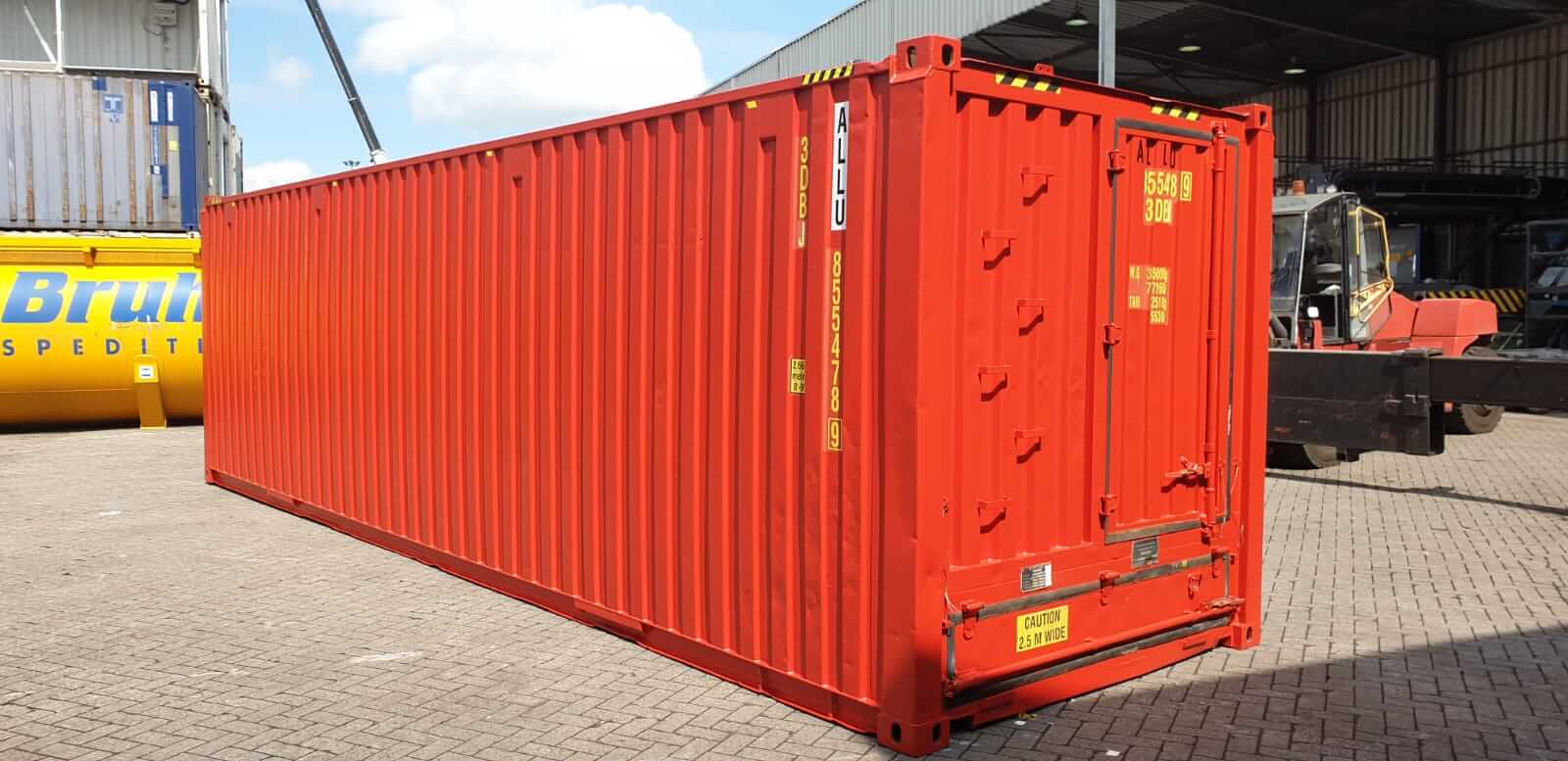
The Advantages of Making Use Of Mass Containers in Logistics
Mass containers transform logistics by boosting efficiency and sustainability. These containers allow for the transportation of big quantities of items in a solitary trip, markedly decreasing the number of trips required. This not only improves operations yet additionally lessens labor prices connected with handling, filling, and dumping. Additionally, mass containers are made to enhance room application within transport cars, ensuring that even more items can be delivered all at once.The standardization of mass containers additionally simplifies the logistics process. With consistent measurements, they can be easily piled and kept, bring about improved storage facility management. Mass containers usually feature durable materials that shield materials from damages during transit, consequently reducing product loss and boosting general integrity. As a result, organizations can experience enhanced supply chain performance, inevitably bring about boosted profitability and consumer fulfillment. This combination of variables makes bulk containers an important property in modern-day logistics.
Ecological Effect: Lowering Waste and Carbon Footprint
As industries progressively prioritize sustainability, the adoption of bulk containers has actually emerged as a key strategy for lowering waste and lowering carbon impacts. These containers decrease the usage of product packaging materials, such as boxes and plastic, thereby notably reducing general waste generation. By consolidating deliveries, mass containers improve transport efficiency, permitting more items to be transported per journey. This decrease in journeys straight associates with lower greenhouse gas emissions, adding to a smaller carbon footprint.Moreover, bulk containers can typically be reused or recycled, further reducing ecological effect. The sturdiness of these containers warranties they can stand up to numerous transportation cycles, decreasing the need for single-use choices. used plastic containers. By streamlining logistics and promoting efficient resource usage, bulk containers not just support lasting practices however additionally urge markets to align with worldwide environmental goals. Inevitably, their implementation reflects a dedication to environmental stewardship and responsible source administration
Price Cost Savings: Exactly How Bulk Containers Lower Transport Expenses
While several firms look for means to enhance their bottom line, the use of bulk containers presents a considerable possibility for lowering transportation expenses. Mass containers maximize the quantity of products carried, allowing organizations to ship bigger quantities at the same time. This effectiveness lowers the number of trips required, directly reducing fuel expenses and decreasing labor costs connected with loading and dumping.In addition, bulk containers typically feature streamlined designs that optimize room application within transport automobiles. This suggests less voids, leading to extra effective use of offered ability. In addition, the sturdiness of bulk containers can reduce the threat of item damages throughout transit, ensuring and decreasing losses that more items arrive intact.
Enhancing Supply Chain Performance With Mass Storage Space Solutions
Mass storage services play an important function in improving supply chain effectiveness by maximizing inventory administration. By consolidating goods into fewer, larger containers, companies can significantly minimize dealing with costs associated with constant transfers and handling. This structured method enables much better monitoring and administration of stock, ultimately bring about improved operational efficiency.Streamlined Stock Management
Efficient inventory monitoring is vital for optimizing supply chain operations, especially when companies adopt bulk storage space solutions. These options enable companies to keep higher stock levels while reducing the frequency of replenishment. By consolidating products into mass containers, companies can improve their stock procedures, reducing the intricacy related to tracking several smaller packages. This method assists in exact stock counts and enhances projecting precision, enabling even more informed decision-making. On top of that, mass storage space options streamline storehouse organization, making it much easier to locate and access items when required. Consequently, organizations can attain a more effective stock turnover rate, eventually enhancing total supply chain efficiency and decreasing the chance of stockouts or overstock situations.
Lowered Handling Expenses
The application of bulk storage remedies not just improves inventory administration however likewise considerably decreases dealing with expenses across the supply chain. By combining materials right into bulk containers, companies lessen the requirement for regular handling and transfer between different storage and transportation systems. This strategy lowers labor costs connected with loading, unloading, and moving smaller bundles. Additionally, bulk storage space minimizes the regularity of deliveries, causing lower transportation costs and lowered fuel intake. Therefore, organizations can enhance their logistics procedures, enabling a much more efficient allowance of resources. Ultimately, lowered handling prices add to improved total supply chain efficiency, cultivating an environment that sustains both sustainability and economic viability.
Adaptability of Mass Containers Across Various Industries
Although numerous markets have distinct requirements for transport and storage space, mass containers have actually emerged as a versatile option that satisfies a vast array of needs. These containers, ranging from huge containers to specialized containers, can accommodate varied materials, consisting of granules, powders, and fluids. In the farming market, bulk containers facilitate the transport of plant foods and grains, while the food and beverage market utilizes them for ingredients and completed products. The chemical industry counts on bulk containers for safely transferring hazardous products, ensuring compliance with safety regulations. Furthermore, construction companies benefit from mass containers for transferring aggregates and other products. Their flexibility prolongs to various settings of transport, including ships, trains, and vehicles, improving logistical effectiveness. This adaptability not only improves procedures throughout different fields however also promotes sustainability by reducing product packaging waste and enhancing space in transportation. As a result, bulk containers play an essential duty in modern-day supply chain management.Future Patterns wholesale Container Use and Sustainability
The future of mass container use is increasingly formed by cutting-edge materials development that boosts sustainability. Additionally, automation in logistics assures to streamline operations, reducing waste and improving effectiveness. Accepting circular economic situation practices will certainly further change how bulk containers are developed, used, and reused, promoting a much more lasting transportation landscape.Ingenious Products Growth
As sectors significantly focus on sustainability, innovative materials advancement wholesale containers becomes a substantial element in enhancing environmentally friendly transport solutions. Makers and scientists are checking out naturally degradable plastics, recycled compounds, and lightweight steels to minimize ecological influence. These products not only decrease waste yet also boost fuel efficiency by decreasing the total weight of containers. Additionally, innovations in wise materials, which can adapt to varying conditions, improve the toughness and performance of mass containers. The integration of these innovative products straightens with round economy concepts, advertising reuse and recycling. As the demand for lasting methods expands, the growth of such materials will play a crucial role fit the future of bulk container usage in logistics and transportation.Automation in Logistics
Considerable developments in automation are positioned to change logistics and the usage of bulk containers, enhancing sustainability in transportation. Automated systems, including drones and independent lorries, are improving the movement of mass containers, reducing the dependence on traditional fuel-powered transportation. These technologies maximize directing and packing processes, decreasing vacant here miles and improving gas performance. Additionally, automated inventory monitoring systems boost tracking and monitoring of mass containers, ensuring much better resource allocation and decreased waste. The combination of the Internet of Things (IoT) enables real-time information evaluation, enabling proactive decision-making that aligns with sustainability goals. As automation remains to evolve, it is anticipated to drive even more advancements in mass container usage, eventually sustaining even more sustainable logistics techniques and lowering the ecological influence of transport.Circular Economic Situation Practices
Innovations in automation are setting the phase for an extra incorporated strategy to circular economic situation methods in the domain name of mass container use. As markets significantly welcome sustainability, mass containers are being created for long life and reusability. This shift not only lessens waste but also enhances source effectiveness. Companies are embracing approaches such as closed-loop systems, where used containers are collected, refurbished, and reestablished right into the supply chain. Furthermore, wise modern technologies track container life process, facilitating better management and lowering ecological influence. The collaboration in between manufacturers, logistics companies, and end-users is vital in developing requirements for sustainable container usage. used collapsible containers. Future fads suggest a growing emphasis on products that are biodegradable and recyclable, more strengthening the circular economic situation's principles in mass transportation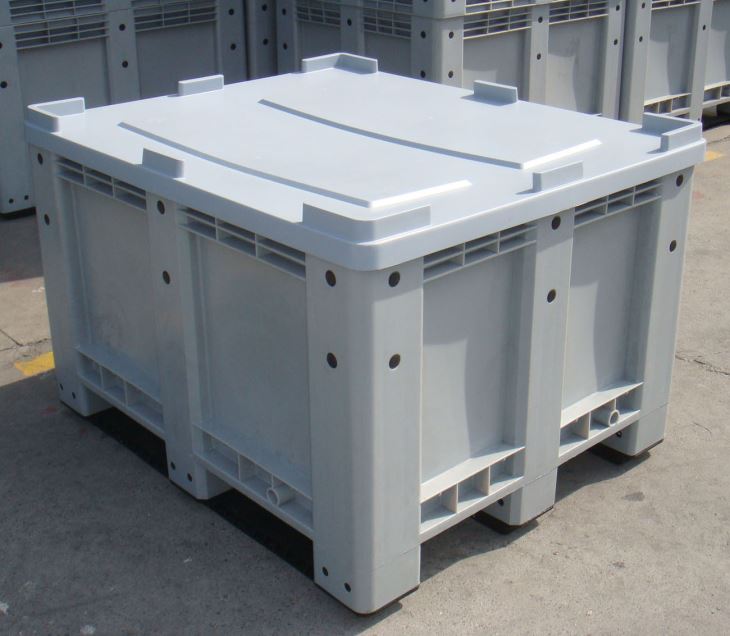
Frequently Asked Inquiries
What Products Are Mass Containers Commonly Made From?
Mass containers are typically constructed from long lasting materials such as high-density polyethylene, cardboard, light weight aluminum, and steel. These products give flexibility, defense, and stamina, making them appropriate for transferring different goods in various industries successfully.Exactly how Do I Select the Right Dimension Bulk Container?
Picking the ideal size mass container involves evaluating the volume of products to be transferred, taking into consideration handling equipment compatibility, and evaluating storage room needs. Correct dimension guarantees effectiveness in transport and decreases waste throughout delivery.Are Mass Containers Reusable or Recyclable?
Bulk containers are usually reusable, developed for multiple trips, improving sustainability. Many can also be reused, depending on the products made use of. Choosing recyclable options even more sustains environmental goals and reduces waste in transportation methods.What Security Regulations Apply to Mass Container Transport?
Safety regulations for bulk container transportation include conformity with the Division of Transportation guidelines, proper labeling of unsafe products, architectural integrity analyses, and adherence to weight limitations to assure risk-free handling and prevent crashes during transit.Exactly How Can Organizations Transition to Utilizing Mass Containers Properly?
Businesses can transform to bulk containers by assessing current logistics, training personnel on handling, purchasing suitable tools, optimizing supply monitoring, and working together with distributors to assure compatibility and efficiency throughout the supply chain.
As sectors progressively prioritize sustainability, the fostering of mass containers has arised as a crucial approach for reducing waste and lowering carbon footprints. By combining materials right into bulk containers, companies can improve their supply processes, reducing the complexity linked with tracking multiple smaller packages. As sectors significantly prioritize sustainability, cutting-edge products advancement in mass containers emerges as a substantial variable in enhancing environment-friendly transport remedies. Automated systems, including drones and self-governing lorries, are enhancing the movement of mass containers, decreasing the reliance on standard fuel-powered transportation. In addition, automated stock monitoring systems improve monitoring and surveillance of mass containers, making certain better source allocation and minimized waste.
Report this wiki page